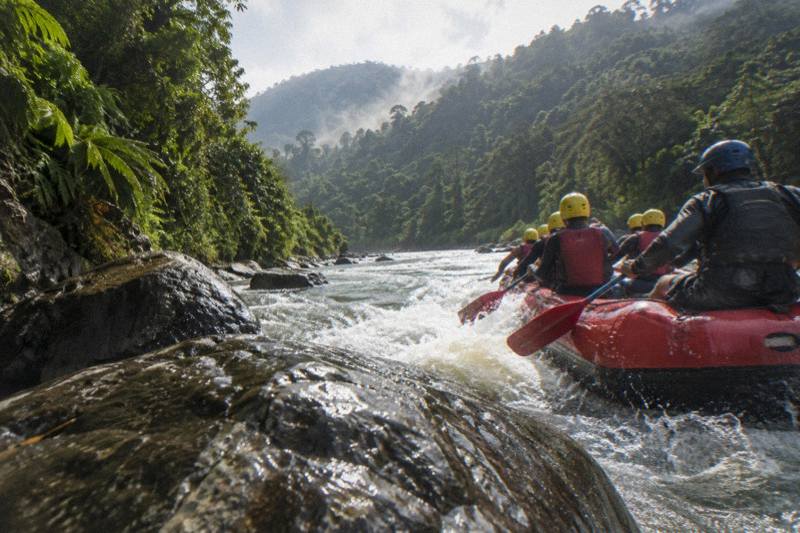
Barron Gorge Hydro And River Flow: Why The Rafting Water Is Rarely Dry
The water rafters paddle through Barron Gorge is tied to a hydroelectric station built in 1963. Understanding that link explains almost every odd detail of a Cairns rafting day, from the afternoon start to the two-hour window on the river.
Short answer
Barron Gorge Hydro is a 66 MW CleanCo Queensland station opened in 1963, with two 33 MW generators fed by water captured at Kuranda Weir and diverted underground. Because release times vary with capacity, production and volume, rafting operators move their Barron itineraries in line with the station. Half-day rafting usually runs afternoons, about 2 hours on the water.
Most people who book a half-day rafting trip out of Cairns are paddling through a working piece of electricity infrastructure without realising it. The Barron River, in its gorge section, is connected to the Barron Gorge Hydro station, a 66 megawatt plant owned by CleanCo Queensland, and the station's water releases are what the rafting companies work around. That single fact explains the strange rhythm of the day: a trip that usually starts in the afternoon, roughly two hours on the water, and an operator that refuses to promise an exact start time until you book.
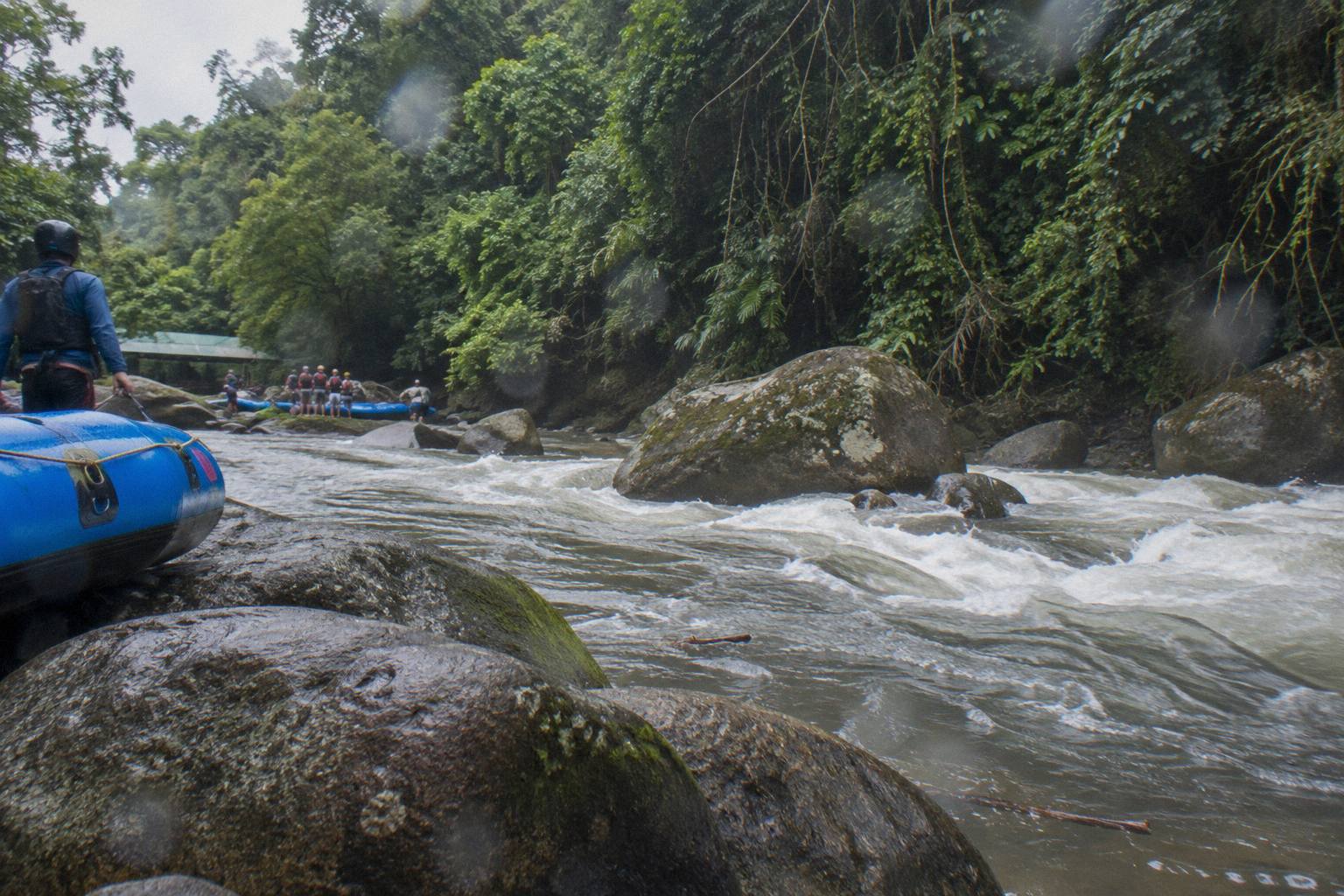
This page is the deep background: what the hydro station is, why it moves the itinerary, what the operators themselves say about water levels, and what happens on the rare occasions the Barron cannot run. For the practical side of the day itself, the guide to what to expect white water rafting in Cairns covers gear, briefings and the shape of the trip, and Barron River Rafting pulls the whole picture together.
What Is The Barron Gorge Hydro Station?
Barron Gorge Hydro is a 66 megawatt hydroelectric power station opened in 1963, sitting inside Barron Gorge National Park near Cairns. Owned by CleanCo Queensland, it runs two 33 megawatt generators, captures water at Kuranda Weir upstream and diverts it underground through the gorge, and generates enough electricity for approximately 50,000 Queensland homes. It is the reason the rafting section of the Barron behaves the way it does.
The station's story starts well before rafting did. Water is caught at Kuranda Weir, where the Barron River comes off the Atherton Tableland, then sent through tunnels and penstocks inside the gorge to the turbines lower down. CleanCo Queensland's own page on the plant gives the headline figures: 66 megawatts of capacity from two 33 megawatt generating units, first opened in 1963, inside a national park. You can read the plant details on CleanCo's Barron Gorge hydro page.
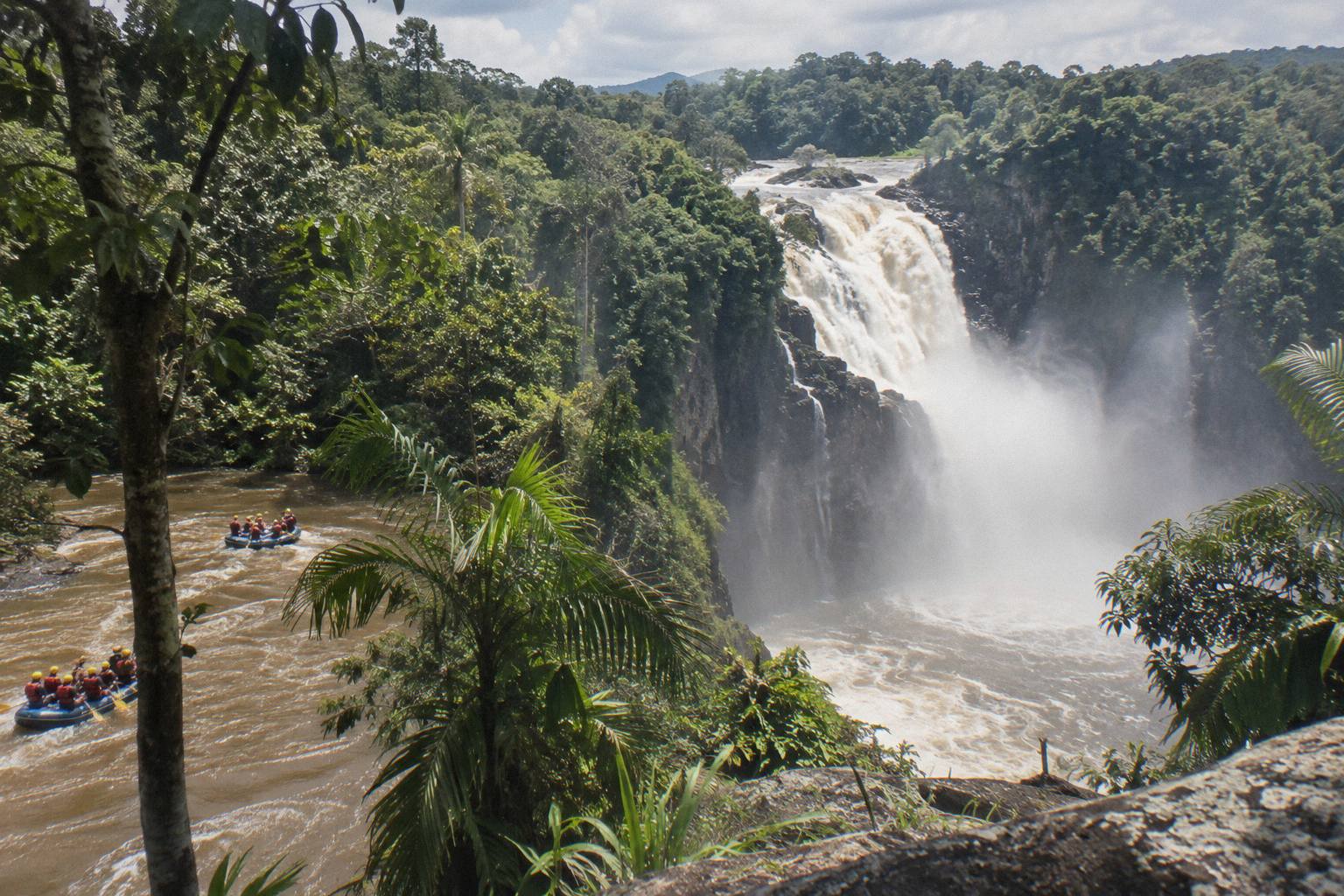
For a rafter, the part that matters is simple: the water that would otherwise tumble down the natural riverbed is held and released on the power station's schedule, not nature's. When the station releases, the gorge below carries raftable white water through grade 2 and grade 3 rapids. Rafting companies have run trips on this controlled stretch for decades, and the whole commercial half-day product, about two hours on the water, is built around the release window.
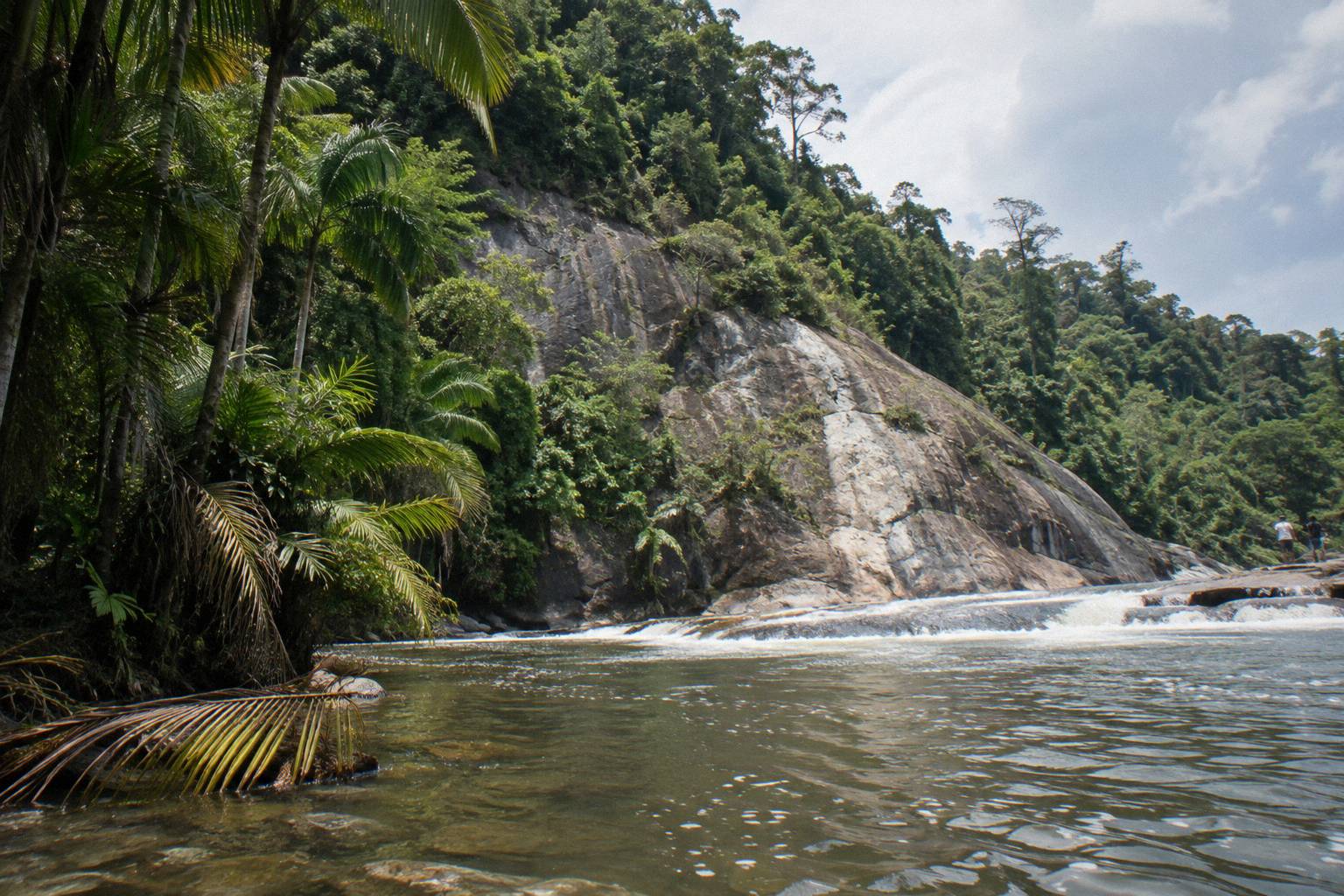
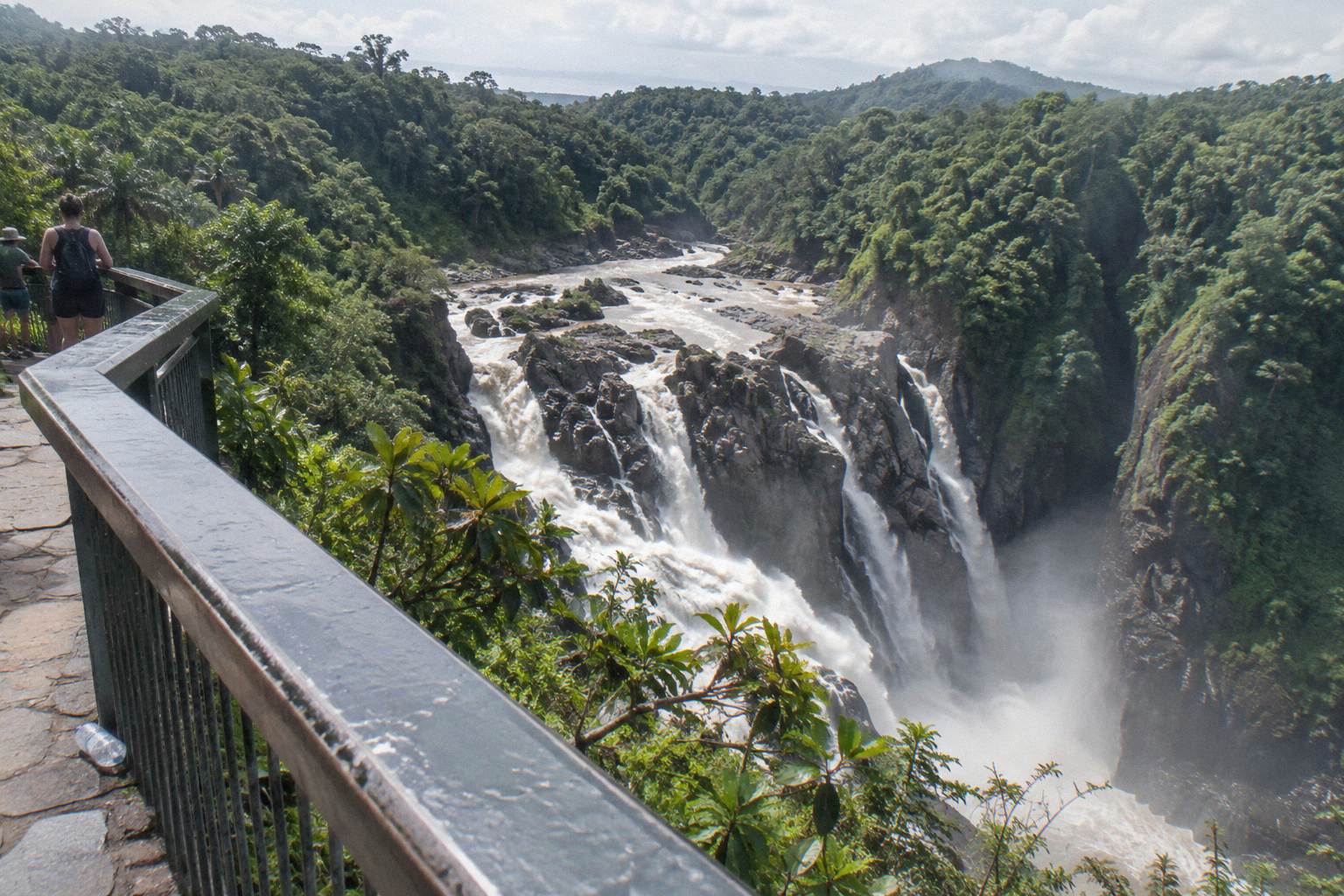
The gorge itself is dramatic country. Queensland Parks and Wildlife Service notes that the Barron River falls 250 metres onto the coastal lowlands, and that the gorge lies within the Wet Tropics World Heritage Area, managed together with the Djabugay Traditional Owners. The hydro station and the rafting industry both operate inside that landscape, one above ground in parts and one very much in it. The park context is worth a read on the QPWS Barron Gorge page, and our own Barron Gorge National Park rafting guide covers what else sits around the river.
| Detail | Figure | Source |
|---|---|---|
| Station capacity | 66 MW | CleanCo Queensland |
| Generating units | Two 33 MW generators | CleanCo Queensland |
| Opened | 1963 | CleanCo Queensland |
| Water capture point | Kuranda Weir, water diverted underground | CleanCo Queensland |
| Homes powered | Approximately 50,000 | CleanCo Queensland |
| Setting | Barron Gorge National Park, Wet Tropics World Heritage Area | CleanCo / QPWS |
Why The Hydro Release Decides Your Rafting Start Time?
Raging Thunder states it plainly: the Barron Gorge Hydro station varies the water release time depending on capacity, production and volume, which means the rafting itinerary varies in line with the station. The half day usually operates in the afternoon, from 2.30pm to 6.30pm, but can run in the mornings due to weather or capacity. Your exact itinerary for your date shows during booking.
That is the plain answer to the question every rafter asks: what time does the trip start? The operator cannot promise a time because the start depends on when the power station releases water, and that depends on electricity demand, not on tourist convenience. This is not an operator being vague for the sake of it, it is a genuine dependency, and the operators publish it on their own pages. Raging Thunder's Barron page carries the full explanation, and the operator's own itinerary breakdown shows how the day is assembled around the release.
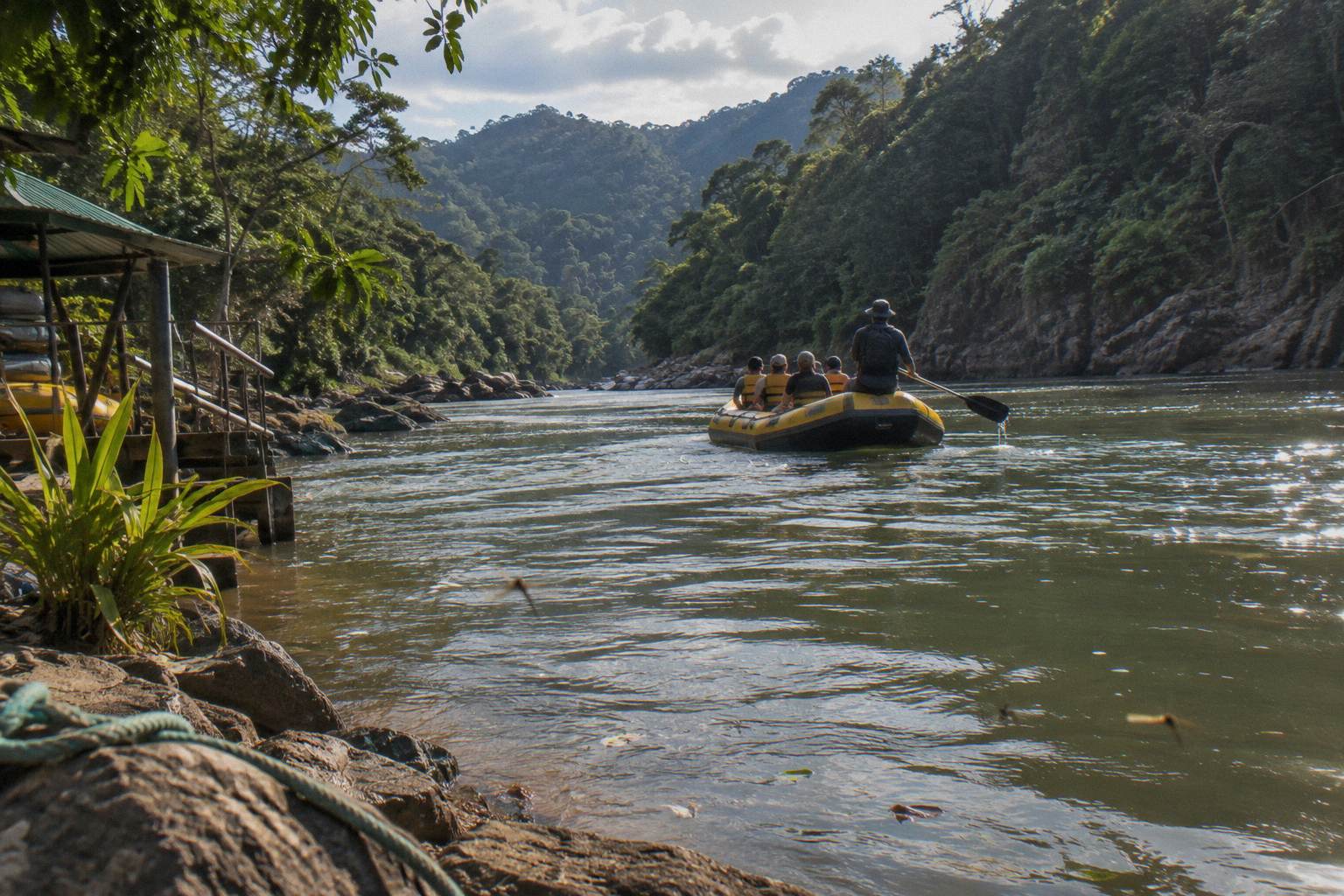
The standard afternoon runs like this, per the operator's published itinerary. Pick-ups begin around Cairns, the Northern Beaches and Port Douglas from about 2.30pm for Cairns-based guests, and the vehicle drives to Lake Placid, where self-drive rafters meet the group. From there the group travels further into the Barron River Gorge to the start point and gets fitted with gear. A guide gives the safety briefing and paddling instructions, then comes the main event: about two hours of rafting, followed by the take-out, a change into dry clothes, a look at the action photos, and the transfer back. Stated timings are about 2.30pm to 6.30pm for Cairns and the Northern Beaches, about 1.45pm to 7.00pm for Port Douglas, and about 3.00pm to 5.30pm for self-drivers meeting at Lake Placid.
The early version flips the day. Pick-up in Cairns at 8am, on the river from 9am to 11am, back around 11.30am to 12pm. Foaming Fury, the other brand running the same half day, lists a similar pattern: Cairns daily pick-up about 2.30pm with a return about 6pm, Port Douglas daily about 1.45pm to 7pm, and, in Cairns school holidays, an 8am pick-up returning about 2.30pm. If the morning-versus-afternoon question matters to your planning, our piece on choosing morning or afternoon white water rafting works through the trade-offs, and the wider river context sits in our Barron Falls lookout and rafting guide.
Two brands run the Barron half day, and here is the detail most first-time bookers miss: they are not competitors. Raging Thunder and Foaming Fury are both part of Cairns Adventure Group, a company of nine brands whose owner-operator, Roderic "Roddy" Rees, started as a rafting guide in 2007 and later acquired the business. The trips differ in price, not in the river, the pickup range or the underlying operation.
Between the two half-day listings, the choice comes down to logistics and price. Barron Gorge Half-Day Rafting With Foaming Fury is the featured trip on this site, rated 4.7 from 624 reviews, at $165 per person including the $35 river levy when you self-drive to Lake Placid, $184 with pickup from Cairns or the Northern Beaches, or $200 from Port Douglas. Barron Gorge Half-Day Rafting With Raging Thunder, rated 4.8 from 149 reviews, matches those operator prices, with Cairns, Northern Beaches or Port Douglas pickup, or self-drive. Both list about two hours on the water and a minimum age of 12.
Will The Barron Have Enough Water For My Date?
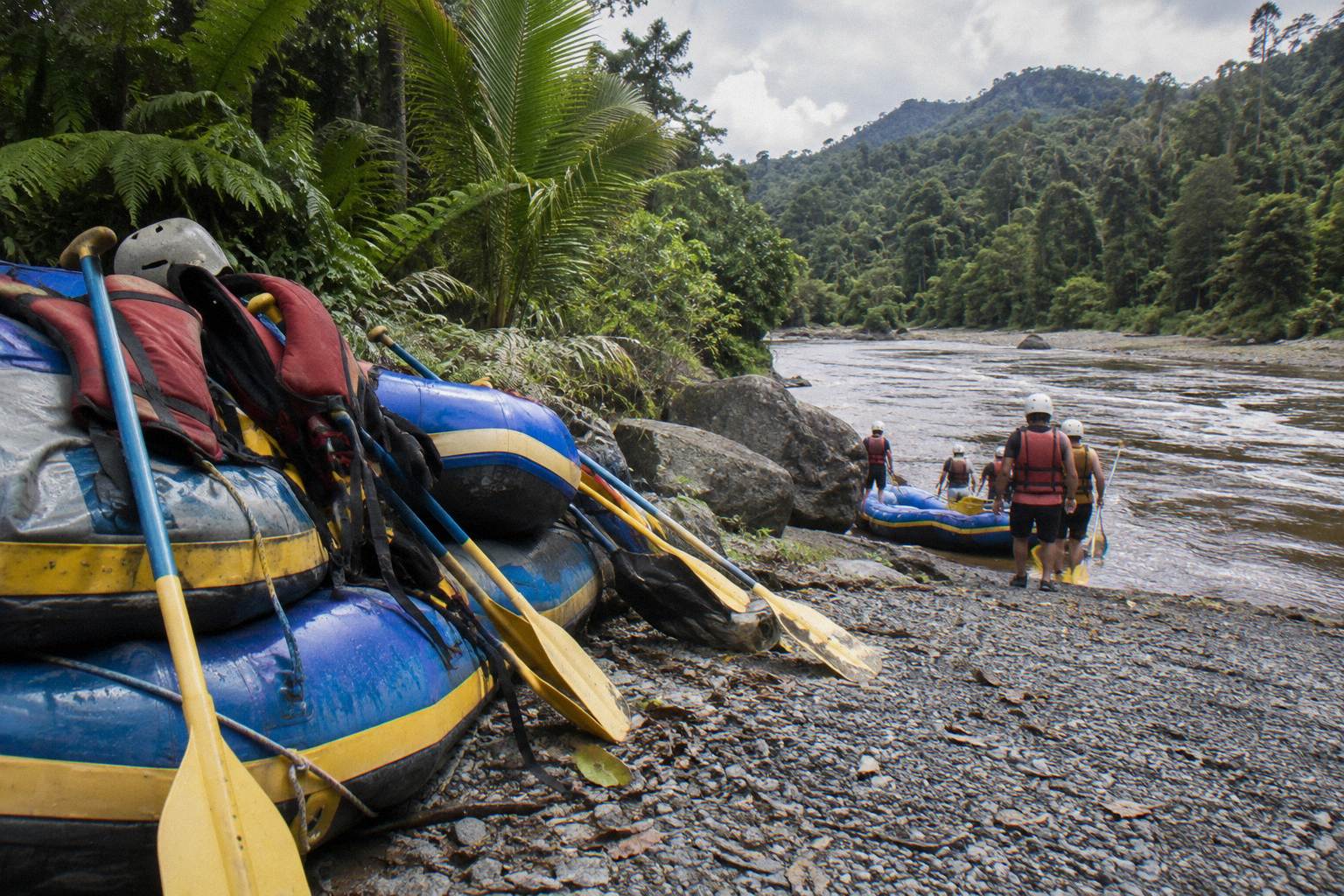
No independent river-level forecast exists, and none should be invented. Foaming Fury claims "guaranteed water levels year round", which is that operator's own wording, while Raging Thunder instead describes its season as "subject to change, based on water levels". The practical safeguards are elsewhere: a Mulgrave River fallback for the half day, minimum-number rules that let guests reschedule or cancel without fees, and itineraries stated as subject to change.
The honest way to read those two operator statements is side by side, attributed, exactly as written. One brand markets certainty, the other markets flexibility, and this site will not convert either claim into a fact. There is no published release schedule, no flow figure and no river gauge reading that belongs in a booking decision, so the best a reader can do is book with free cancellation showing on the listing, watch the itinerary detail that appears during booking, and know the fallbacks.
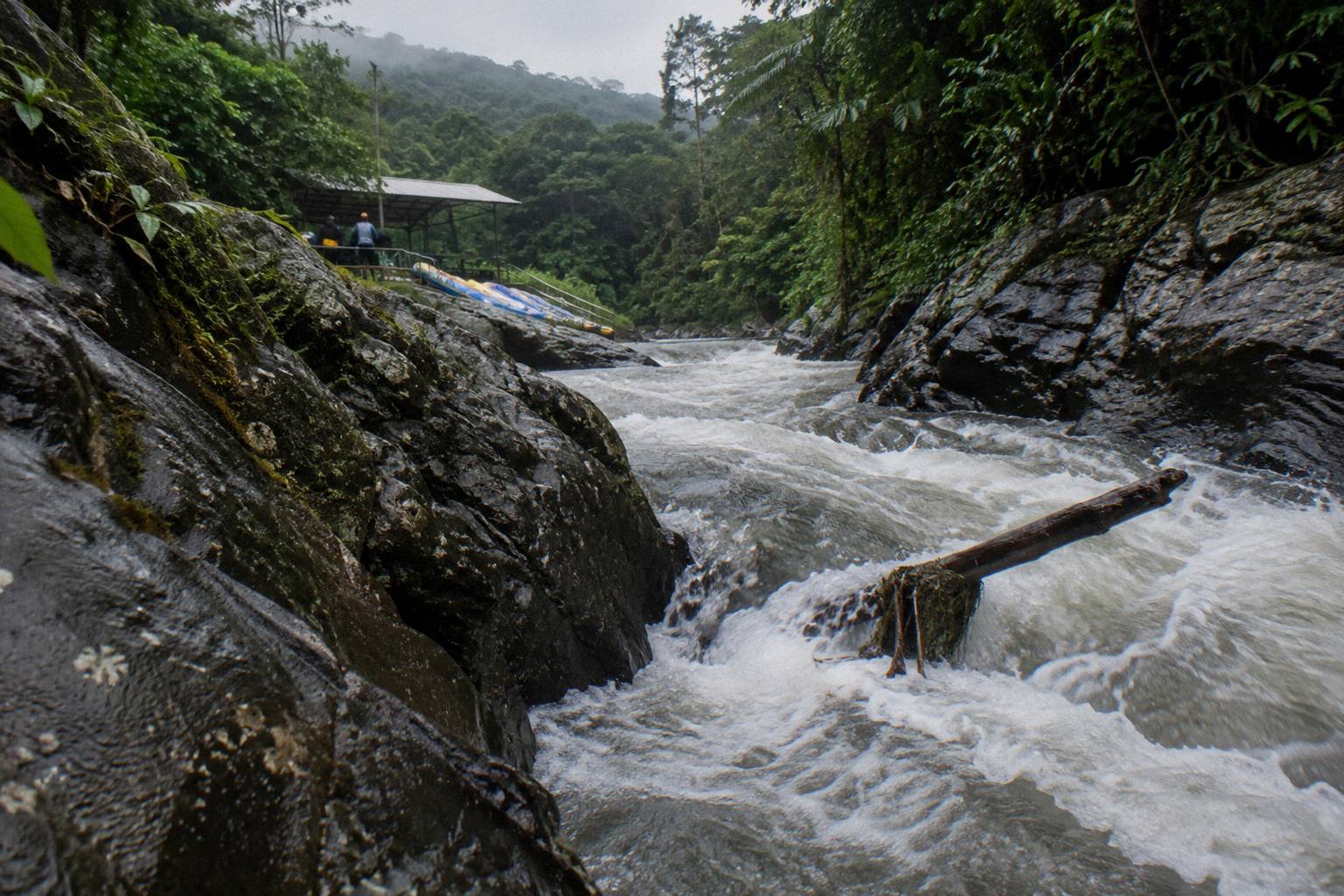
The structure of the day also explains why timing stress is mostly unnecessary. The gorge is only 20 minutes from the Cairns CBD by Raging Thunder's measure; Foaming Fury says 20 minutes from Cairns centre and 40 minutes from Port Douglas. Self-drivers can meet at Lake Placid, roughly 20 minutes from Cairns, and trim the day to about 2.5 hours door-to-river-to-done. The meeting-point logistics are laid out in our Cairns rafting pickup and meeting point guide.
Booking terms do the rest of the work. The booking pages for both half-day trips show free cancellation up to 24 hours before. Separately, the operators' own group terms say more than 48 hours before is a full refund, 24 to 48 hours is 50 percent, under 24 hours is nothing, and any change made within 48 hours becomes non-refundable; groups get a full refund more than 7 days out and none under 7 days; no-shows get no refund. Those are two different channels with two different rules, and they should never be merged into one promise.
| Water-level statement | Who says it | Exact wording |
|---|---|---|
| Guarantee claim | Foaming Fury | "guaranteed water levels year round" |
| Season caveat | Raging Thunder | "subject to change, based on water levels" |
| Itinerary variability | Raging Thunder | release times vary "pending capacity, production and volume" |
| General change clause | Both operators' terms | itineraries "subject to change due to weather, river, road and other factors" |
What Happened At Kuranda Weir?
Tropical Cyclone Jasper, in December 2023, damaged Kuranda Weir, the structure that captures Barron River water for the hydro station, and repair works were listed as underway on an undated CleanCo page. That is all that can be said: the page carries no completion date and no statement about rafting, so no claim about whether the repairs affect rafting operations can responsibly be made.
The weir matters because it is the top of the system. Water captured at Kuranda Weir is diverted underground toward the turbines, so any damage to the weir is damage to the intake of the whole hydro chain. Cyclone Jasper was a serious flood event for the Far North, and its effects on the weir are documented on CleanCo's own plant page. What is not documented, anywhere in the verified sources, is the operational consequence for the release schedule or for commercial rafting. Readers will find forum chatter and speculation elsewhere; this site prints only what the official pages say, and the official pages stop at "repair works underway".
The right planning response is the same one that covers every other uncertainty on this river: book a date, keep the free-cancellation window in view, and let the operator confirm the itinerary during booking. If the timing shifts, rescheduling is straightforward, and if the minimum numbers are not met, guests may reschedule, switch or cancel without fees under the operators' own terms.
For readers weighing the river itself, the rapid character is covered in our Barron River rapids guide: grade 2 and grade 3 water, standing waves the guide can surf the raft into, and the drop at Rooster Tail, the only rapid the official pages name. The grading system behind those numbers is explained in how rapids are graded.
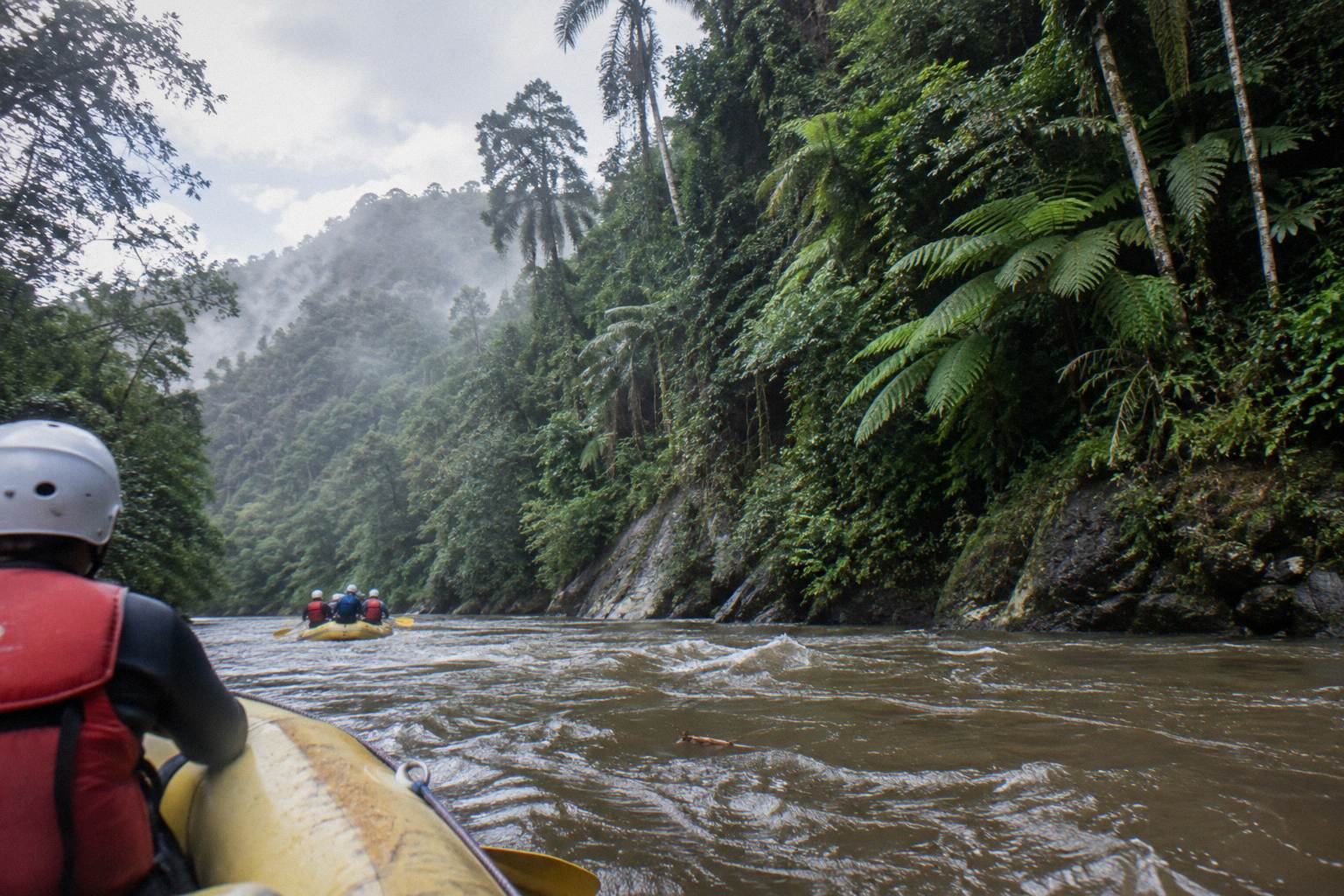
What If The Barron Cannot Run?
Foaming Fury says the Mulgrave River may be used for half-day rafting tours when the Barron River is not available due to river levels or other reasons, and its family trip continues on Lake Placid if the power station is unavailable, with rapids experienced when the station is operational. The operators' terms also let the operator cancel, reschedule or offer credit under force majeure, with refunds where Australian Consumer Law requires.
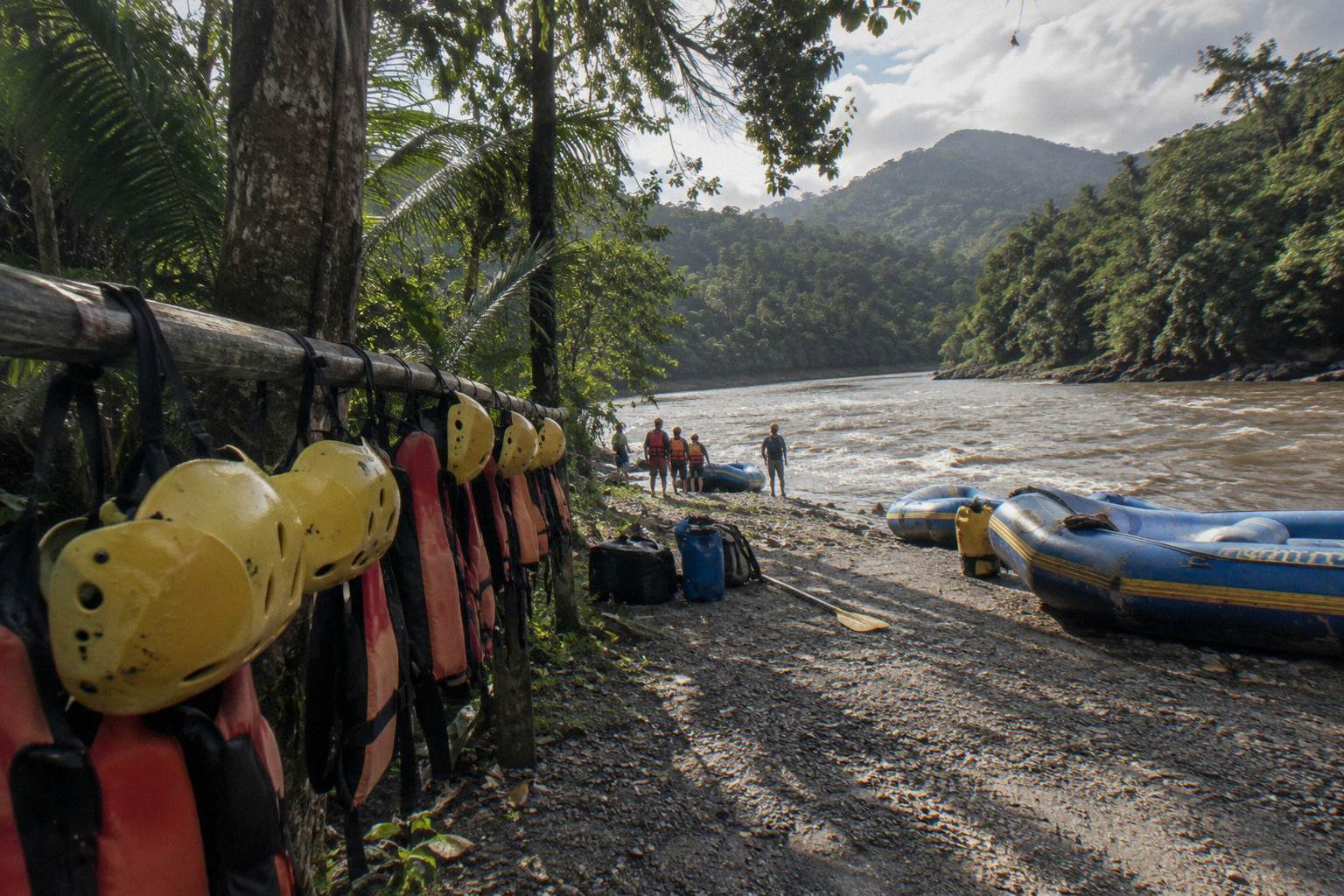
So the fallback ladder has real rungs. First, the same half-day product can move to the Mulgrave River, a different rainforest waterway, on Foaming Fury's own description. Second, on the family trip for ages 6 to 11, the outing becomes a Lake Placid experience if the station is not releasing, rather than a cancellation. Third, the booking terms give the operator the right to cancel, reschedule or issue credit when weather, river, road or other factors intervene. None of this is a promise that your date will run exactly as imagined, but it is a structured set of alternatives rather than a shrug.
Minimum numbers sit alongside this. The Foaming Fury Barron half day needs a minimum of 12 persons to operate, and the family trip a minimum of 8. If the minimum is not met, guests may reschedule, switch or cancel without fees. That rule quietly protects solo and small-group travellers, a situation our rafting Cairns solo or group piece looks at in detail, and it is one more reason last-minute availability on this river is genuinely worth checking rather than assuming.
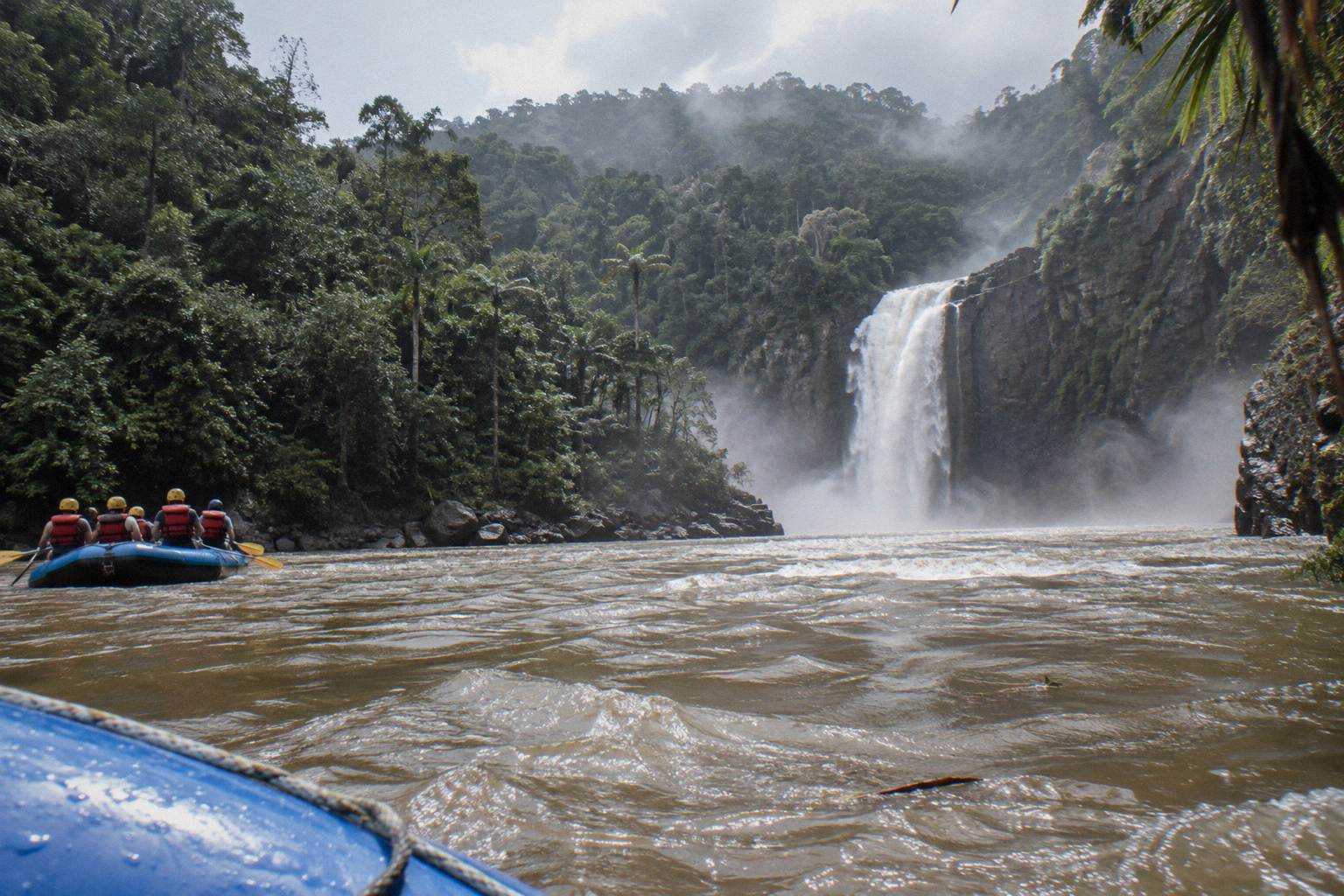
The Raging Thunder half day is the leaner listing of the two: $165 per person including the $35 river levy when you self-drive to Lake Placid, $184 with pickup from Cairns or the Northern Beaches, $200 from Port Douglas, rated 4.8 from 149 reviews, about two hours on the water, minimum age 12. It suits travellers watching the entry price, with pickup options to match where you are staying.
How Does The Gorge's Water Shape The Park?
The Barron River falls 250 metres onto the coastal lowlands, according to Queensland Parks and Wildlife Service, and the gorge it cut lies inside the Wet Tropics World Heritage Area, managed jointly with the Djabugay Traditional Owners. Barron Falls in flood is described by the park service as a spectacular sight, and the park page carries a crocodile warning and advice to stay on walking tracks.
That drop is the engine behind everything on this page. A river that descends 250 metres in a short, steep gorge is a river with power, and power is what both the hydro station and the white water industry harvest from it, one as electricity and one as tourism. The Djabugay connection is not decorative: QPWS names the Traditional Owners as joint managers of the park, and the gorge's cultural standing is part of why the area holds World Heritage listing at all.
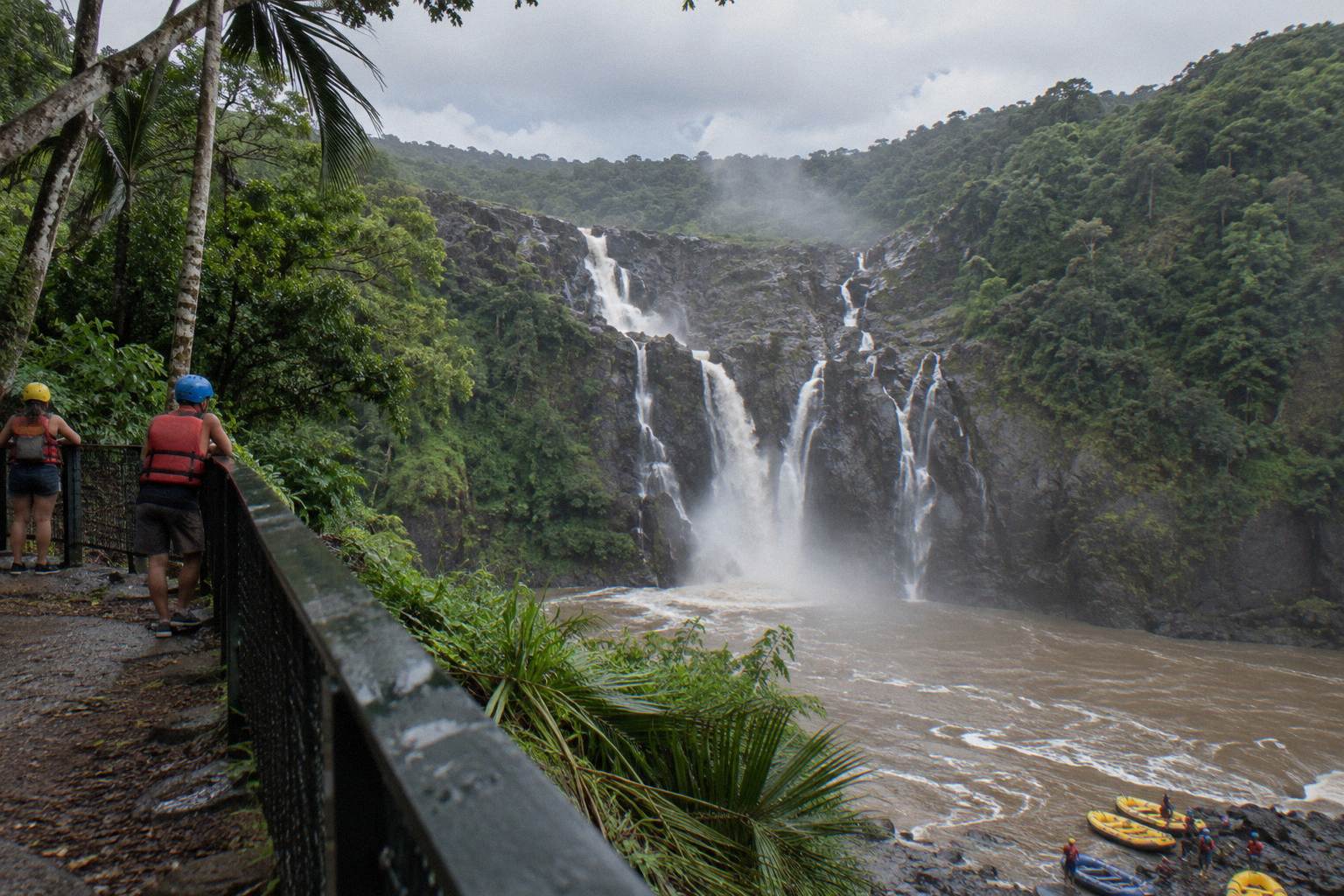
Rafters move through the lower, controlled part of this system, below the station, through the section the operators describe as an easier river than the Tully, suited to families and first-timers. The comparison is worth understanding properly, and our Tully versus Barron rafting comparison lays out the two rivers side by side, while the Tully River rafting guide covers the bigger full-day alternative for readers who want more than grade 3.
| Feature | Detail | Who publishes it |
|---|---|---|
| River drop | 250 m onto the coastal lowlands | QPWS |
| Listing | Wet Tropics World Heritage Area | QPWS |
| Management | QPWS with Djabugay Traditional Owners | QPWS |
| Barron Falls | "in flood is a spectacular sight" | QPWS |
| Park warnings | Crocodile caution link; stay on walking tracks | QPWS |
How Should You Book Around A Moving Itinerary?
Book the date, not the hour: the itinerary for your specific date only shows during booking, free cancellation up to 24 hours before is listed on both half-day booking pages, minimum-number rules let you reschedule or cancel without fees, and a full-day combo or a Tully trip exists if you would rather anchor the day to something with fixed length. Practical flexibility beats chasing a start time the hydro station has not decided yet.
The single biggest mistake readers make with Barron rafting is treating the 2.30pm pick-up as a contract. It is a default, and the operator says so. Build the day loosely: leave the morning free for Kuranda or the reef office, or pick a date where an early or late start would not ruin anything. The operators' own timing grids give the ranges, from about 11.30am finishes on early Cairns days to about 7pm returns from Port Douglas, so plan meals and evening bookings around the outer edge, not the centre.
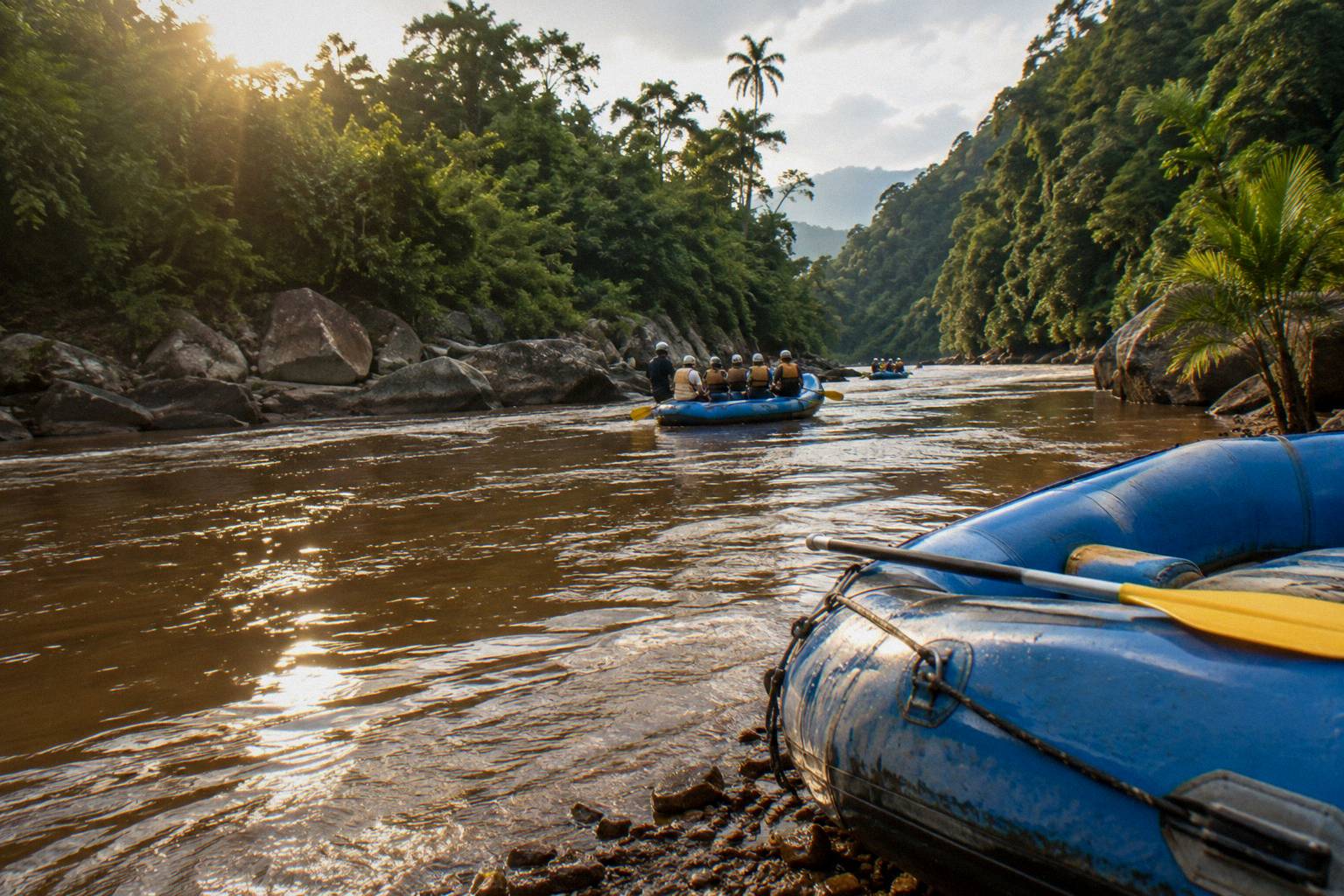
Costs deserve the same clear-eyed treatment. The operator prices for both half days are: $165 per person self-drive to Lake Placid, $184 with Cairns or Northern Beaches pickup, and $200 from Port Douglas, each including the $35 river levy. Photos are extra, Foaming Fury's action photos at $59 and Raging Thunder's bought online afterwards, and shoe hire is $5 if you arrive without secure footwear. The full budget picture, including what the levy covers, is in our white water rafting Cairns cost guide.
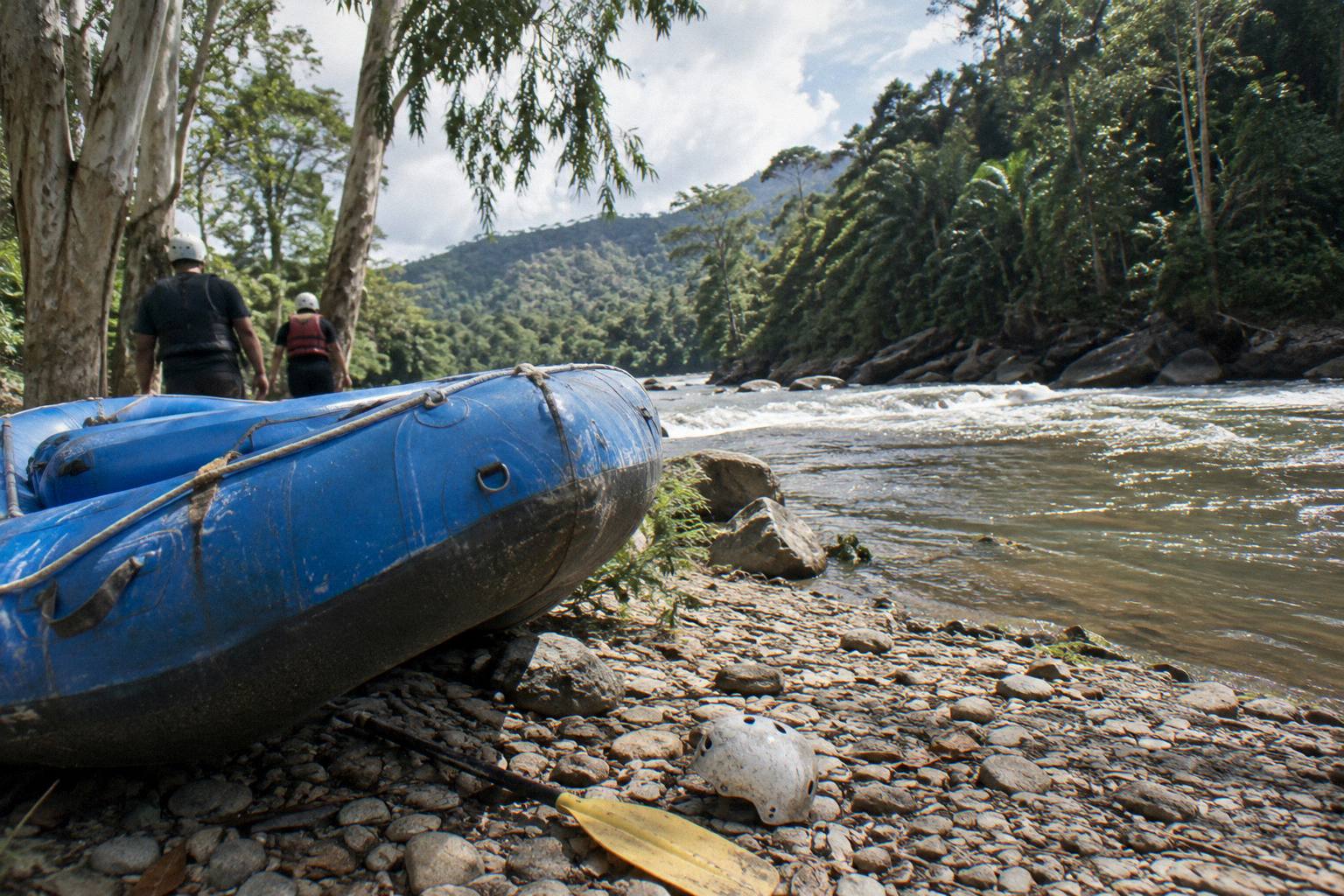
For travellers who want a fuller day that is not hostage to a single release window, two options exist on the same roster. The Rainforest River Tubing and Barron Rafting full day combines river tubing with Barron rafting in one outing, with no price, rating or duration printed on its listing, so treat it as a format choice rather than a figures comparison. The Tully River full day runs on a different, bigger river altogether. Both belong to the combo-and-day-trip category rather than the half-day one.
Readers comparing the rivers rather than the formats will get more from the adjacent comparison guide than from repeating it here. What belongs on this page is the flow logic: the Barron is the close, controlled, half-day river tied to a power station; the Tully is the destination full-day trip; the combo splits the difference by packing two water activities into one block of time.
One last planning habit is worth forming. Check the listing a day or two before travel, not because the operator will publish a flow figure, it will not, but because the itinerary detail for your date is where any morning-versus-afternoon shift shows up. Pair that with the free-cancellation window and the minimum-number protections, and the hydro station's schedule stops being a risk and becomes just the reason your rafting day has its unusual shape.
Common Questions About Barron Gorge Hydro And River Flow
Does The Hydro Station Control When Barron River Rafting Runs?
Effectively, yes. Raging Thunder states that the 66 MW Barron Gorge Hydro station varies its water release time pending capacity, production and volume, and that the rafting itinerary varies in line with the station. That is why the half day usually runs in the afternoon but can shift to a morning start.
What Time Does Barron River Rafting Start?
There is no promised start time. The trip usually operates from 2.30pm to 6.30pm out of Cairns, with Port Douglas timings about 1.45pm to 7pm and Lake Placid self-drive about 3pm to 5.30pm, but mornings are possible due to weather or capacity. The itinerary for your date shows during booking.
Is The Water Guaranteed To Be Running?
Foaming Fury claims "guaranteed water levels year round", which is that operator's own marketing wording, while Raging Thunder describes its season as "subject to change, based on water levels". No independent river-level forecast exists, so book with the free cancellation shown on the listing rather than a guarantee.
What Happens If The Barron River Cannot Be Rafted?
Foaming Fury says the Mulgrave River may be used for half-day rafting tours when the Barron is not available due to river levels or other reasons, and its family trip continues on Lake Placid if the power station is unavailable. The operators' terms also allow cancellation, rescheduling or credit under force majeure.
Did Cyclone Jasper Affect The Hydro Station Or Rafting?
Tropical Cyclone Jasper in December 2023 damaged Kuranda Weir, which captures the water feeding the station, and CleanCo's page lists repair works as underway. The page is undated and says nothing about rafting, so no claim can be made about whether the repairs affect rafting operations.
How Long Are You Actually On The River?
About two hours on the water. Raging Thunder's afternoon itinerary blocks 3.30pm to 5.30pm for rafting, and Foaming Fury words it as 1.5 to 2 hours on up to grade 3 rapids. The whole trip is about four hours from Cairns pick-up, not a full day.